

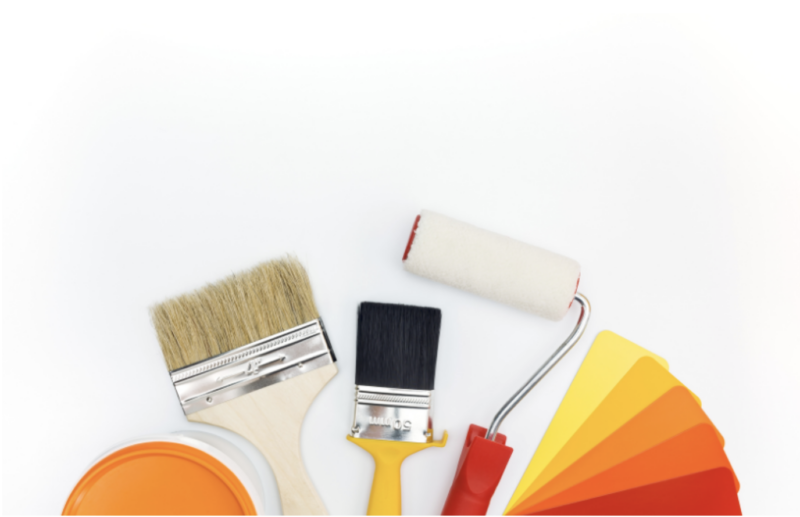
A fresh coat of paint can completely transform a space. But achieving a smooth, professional-looking finish requires more than just choosing the right paint colour. Having the right painting tools can make the job faster, easier, and far less frustrating.
With so many paint brushes, rollers, trays, tapes, and accessories lining the shelves, knowing what you actually need can be overwhelming. Do you really need all of them? And how do you know which ones are right for your project?
In this guide, we’ll walk you through the essential painting tools you’ll need and some features that you need to pay attention to when shopping for the right tool.
8 Essential Painting Tools For Painting A Room
Not all painting tools are created equal. Using the right brush, roller, or accessory can help you achieve better coverage, cleaner lines, and a more professional-looking result.
1. Paint Brushes
Paint brushes are one of the most versatile painting tools and are essential for achieving precision and control. They are commonly used for painting along edges and corners, touch-ups, and areas that are difficult to reach with a roller.
When selecting a paint brush, consider the type of paint you are using, the surface being painted, and the level of detail required. Do not use one brush for multiple types of paint and facades.
Choosing the Right Brush Size
While choosing a brush size may seem straightforward, selecting the right one requires some consideration. Beyond the size of the surface, you should also think about the level of detail involved. Bigger isn’t always better. Using a brush that’s slightly smaller than the surface allows for better control and a more even coat, especially around edges and trims.
Here’s a general guide:
- 1–1.5 inch: Windows, narrow trims, and detailed areas
- 2-2.5 inch: Doors, cabinets, and shelves
- 3-4 inch: Large, smooth surfaces such as walls
Choosing The Right Brush Material
In general, paint brushes fall into three main categories based on bristle material: natural, synthetic, and blended.
| Natural Bristle Brushes | Synthetic Bristle Brushes | Blended Bristle Brushes | |
| Material | Made from animal hair | Made from nylon, polyester, or synthetic blends | Combination of natural and synthetic fibres |
| Best Paint Type | Oil-based paints, stains, varnishes | Water-based paints such as acrylic and latex paints | Suitable for both water-based and oil-based paints |
| Paint Holding Capacity | Excellent as they have naturally split ends | Good | Very good |
| Finish Quality | Very smooth finish | Smooth and consistent finish | Smooth finish with good control |
| Durability | Moderate | High | High |
| Best Applications | Woodwork, furniture, doors, trims, and detailed finishing work where a high-quality finish is desired | Interior walls, ceilings, exterior surfaces, and general painting projects. They are also easier to clean and more cost-effective | General-purpose painting, DIY projects, and applications requiring versatility across different surfaces and paint types |
If you’re looking for specific brush options, here are some examples:
- Professional Series Velvet Pro Premium Brush: Features SP-Bristles with natural split ends and Ultra Smooth Tip Technology for superior paint pickup and a smoother finish
- Total Brush 118: Designed with strong yet springy SP-Bristles and natural split ends to improve paint pickup
- Synthetic Paint Brush: Made entirely from synthetic materials, this brush is best suited for water-based paints such as acrylic and latex paints. It is easy to maintain, cost-effective, and suitable for Muslim customers
Choosing The Right Bristle Shape
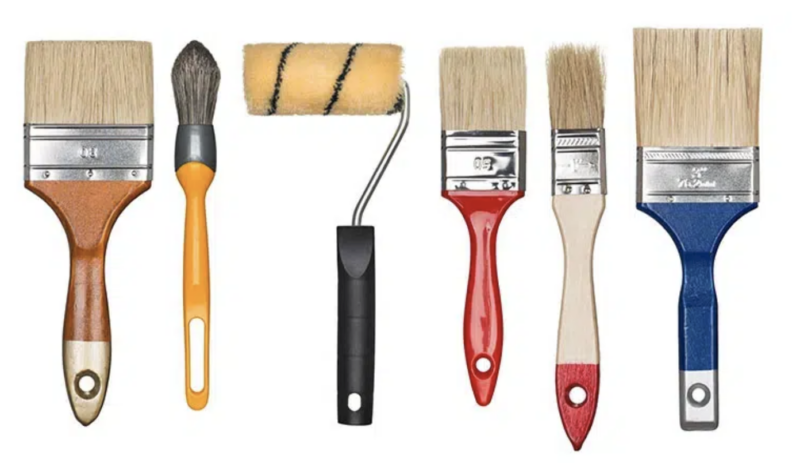
Source: donatas1205/https://image.shutterstock.com/z/stock-photo-painting-tools-paint-brushes-and-roller-1017768898.jpg
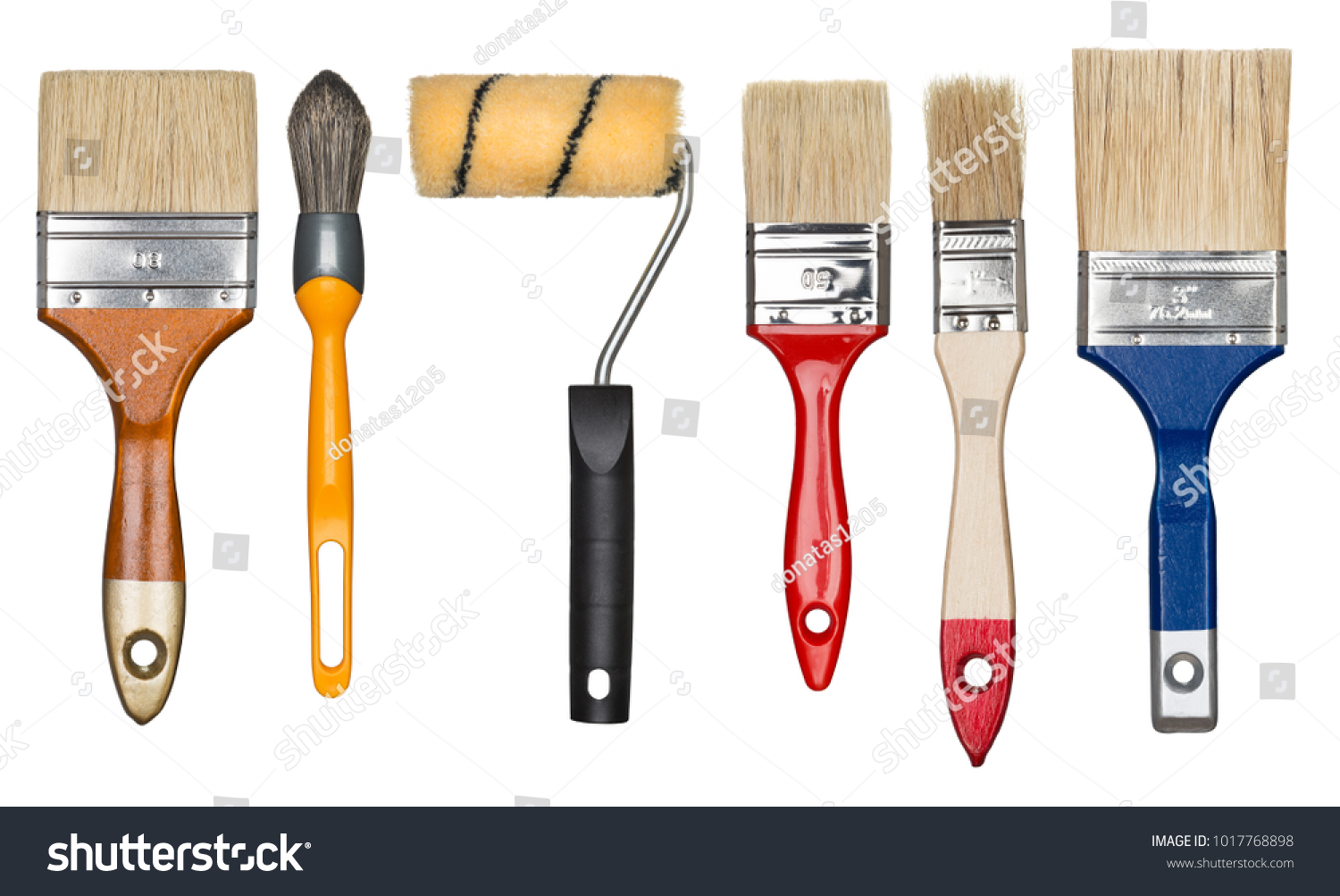
The shape of a paint brush affects the type of finish you achieve and the areas you can paint effectively.
- Flat (Square Trim) Brush: Best for painting large, flat surfaces as the straight-cut bristles provide smooth and even coverage.
- Angled Brush: Ideal for painting edges, corners, trims, and window frames, allowing for greater precision and cleaner lines.
- Chisel Trim Brush: Features a narrow, flat head that makes it easier to paint small areas and create straight lines along edges and corners.
2. Paint Rollers
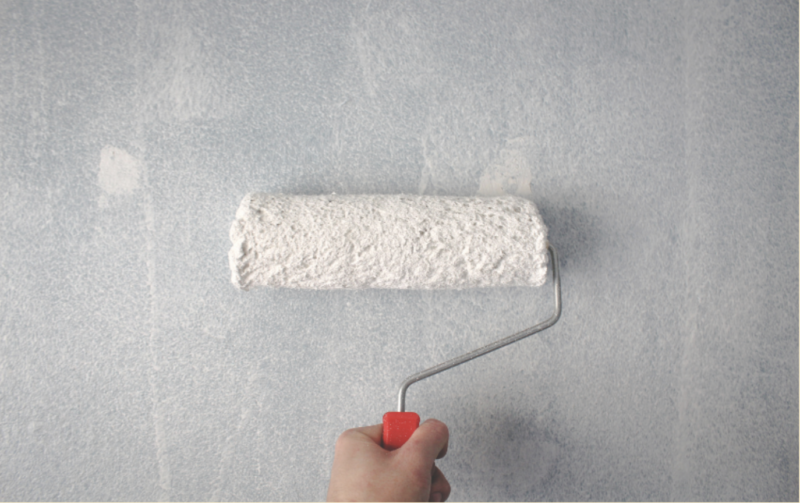
While paint brushes are ideal for detailed work, paint rollers are the go-to tool for covering large surfaces quickly and efficiently. They help deliver a more consistent finish with fewer brush marks, making them particularly useful for painting walls and ceilings.
Choosing the Right Roller Nap
The roller nap refers to the thickness of the roller’s fabric. Selecting the correct nap length helps ensure proper paint coverage and finish quality.
- Short Nap (3–6 mm): Best for smooth surfaces such as doors, cabinets, and newly plastered walls, providing a smooth and even finish.
- Medium Nap (10–12 mm): Suitable for most interior walls and ceilings with light texture.
- Long Nap (18 mm and above): Ideal for rough or textured surfaces such as brick, concrete, and textured walls, as it holds more paint and reaches into surface crevices.
Choosing the Right Roller Material
The material of a paint roller affects how much paint it can hold, how smoothly it applies paint, and the type of finish it produces.
| Foam | Microfibre | Polyester | Woven Fabric | Mohair | |
| Best Paint Type | Gloss and semi-gloss paints | Water-based paints such as acrylic and latex paints | Most paint types | Most paint types | Oil-based paints, enamels, varnishes, and high-gloss coatings |
| Finish Quality | Very smooth finish | Smooth and consistent finish | Good finish | Smooth, professional finish | Ultra-smooth finish |
| Best Applications | Doors, cabinets, furniture, and other smooth surfaces | Interior walls and ceilings | General interior and exterior painting projects | Large painting projects and high-use applications | Doors, trims, cabinets, and furniture |
| Key Benefits | Produces a fine, even finish with minimal texture and roller marks | Excellent paint absorption and release, good coverage, and reduced splatter | Durable, affordable, and suitable for a wide range of surfaces | Highly durable, resists shedding, and provides consistent paint coverage | Creates a premium finish with minimal stippling and excellent paint levelling |
Choosing the Right Roller Size
Rollers are available in different widths to suit various project sizes.
- Mini Rollers (4–6 inches): Ideal for tight spaces, corners, and small touch-up jobs.
- Standard Rollers (9 inches): The most commonly used size for walls and ceilings.
- Large Rollers (12–18 inches): Suitable for painting large areas more quickly and efficiently.
3. Paint Trays and Liners
Paint trays provide a convenient way to hold and distribute paint evenly onto brushes and rollers, helping to reduce drips and improve coverage. They are available in different sizes to suit various roller widths and project requirements.
Paint tray liners are disposable inserts that fit inside paint trays, making cleanup quicker and easier. They are particularly useful when working with multiple paint colours or when you want to minimise washing between projects.
4. Extension Poles

Extension poles allow you to reach high walls and ceilings without constantly moving ladders, making painting safer, faster, and more comfortable. They can be attached to most paint rollers and are available in different lengths to suit various project requirements. When choosing an extension pole, look for one that is lightweight, sturdy, and compatible with your paint roller.
5. Painter’s Tape
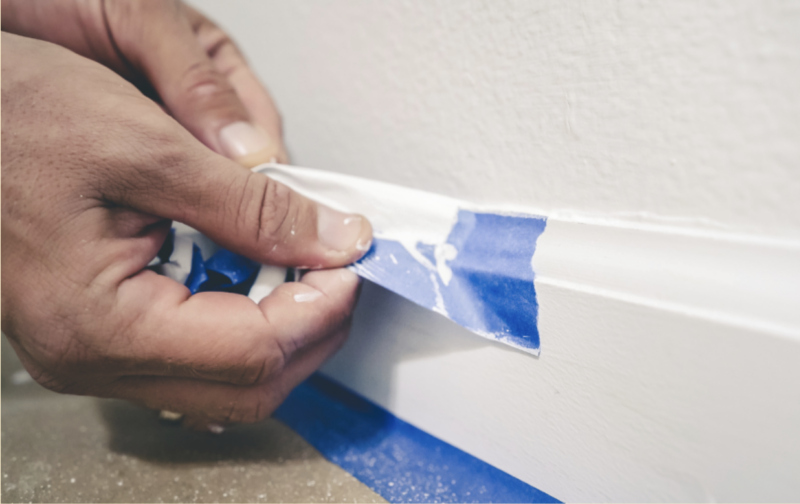
Painter’s tape helps protect surfaces that you do not want painted, such as trims, window frames, skirting boards, and ceilings. It also allows you to create cleaner edges and sharper paint lines, resulting in a more professional-looking finish.
When applying painter’s tape, ensure the surface is clean and dry, and remove the tape before the paint has fully cured for the best results.
6. Drop Sheets and Surface Protection
Paint spills and splatters can happen even with careful preparation. Drop sheets help protect floors, furniture, and other surfaces from paint stains, making cleanup much easier after the project is complete. For added protection, consider using plastic sheets, masking film, or protective covers to shield larger items and fixtures that cannot be moved out of the room.
7. Putty Knives and Wall Putty
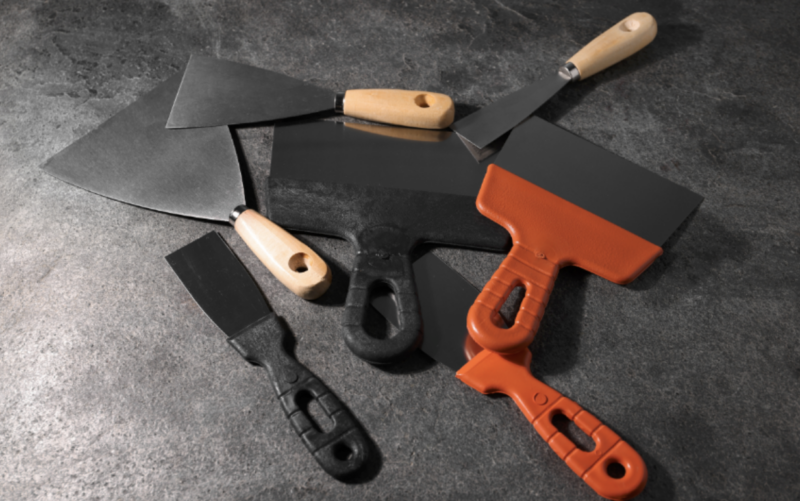
Before painting, it’s important to repair any cracks, dents, nail holes, or other surface imperfections. Wall putty is used to patch these areas, while putty knives help apply and smoothen it for a seamless finish. Taking the time to prepare your surface properly can help ensure better paint adhesion and a more professional-looking result.
8. Paint Mixers and Stirrers
Paint mixers and stirrers help ensure that paint is thoroughly mixed before application. This is important because pigments and other components can settle over time, leading to inconsistent colour and finish. While paint stirrers are suitable for smaller paint cans and touch-up jobs, paint mixers can make it easier to achieve a uniform consistency when working with larger quantities of paint.
Why Choosing The Right Painting Tool Is Important?
Some of the key benefits of using the right painting tools include:
- Achieve a Better Finish: The right brush or roller helps create a smoother, more even coat with fewer visible brush marks and streaks.
- Improve Painting Efficiency: Quality tools allow you to cover surfaces more quickly, reducing the time and effort required to complete a project.
- Reduce Paint Wastage: Tools designed for specific paint types can hold and distribute paint more effectively, minimising drips and excess usage.
- Make Painting More Comfortable: Ergonomic brushes, rollers, and extension poles can help reduce strain and fatigue, especially during larger projects.
- Protect Surrounding Surfaces: Accessories such as painter’s tape, drop sheets, and tray liners help keep your workspace clean and prevent accidental paint spills.
- Deliver Long-Term Value: Durable painting tools can often be reused across multiple projects, making them a worthwhile investment for homeowners and DIY enthusiasts.
How To Choose The Right Painting Tool
With so many painting tools available, choosing the right one can feel overwhelming. The best tool for your project depends on several factors, including the surface you’re painting, the type of paint you’re using, the size of the project, and the finish you’re hoping to achieve.
-
Consider the Surface Type
Smooth surfaces such as doors, cabinets, and furniture typically benefit from foam rollers or fine-bristle brushes, while textured surfaces like brick or concrete may require rollers with a thicker nap to ensure adequate coverage. For detailed areas such as trims, corners, and window frames, angled brushes often provide greater precision.
-
Consider the Paint Type
Synthetic brushes are generally recommended for water-based paints, while natural bristle brushes are better suited for oil-based paints, stains, and varnishes. Similarly, certain roller materials may perform better depending on the paint’s consistency and finish.
-
Consider the Project Size
A small touch-up job may only require a brush and paint tray, while painting an entire room could call for rollers, extension poles, drop sheets, and other accessories. Choosing tools based on the scale of the project can improve efficiency and save time.
-
Consider the Desired Finish
Foam rollers and high-quality brushes are often preferred for smooth, professional-looking finishes, while rollers with longer naps are better for textured surfaces. If you’re aiming for sharp paint lines and clean edges, painter’s tape and angled brushes can help improve the final result.
-
Consider Ease of Use
If you’re a first-time DIY painter, look for tools that are easy to handle and maintain. Lightweight rollers, comfortable brush handles, and disposable tray liners can make the painting process more manageable.
Painting Tools Checklist: What To Buy Before Painting A Room
Use this checklist to make sure you have all the essential tools and supplies before starting your painting project.
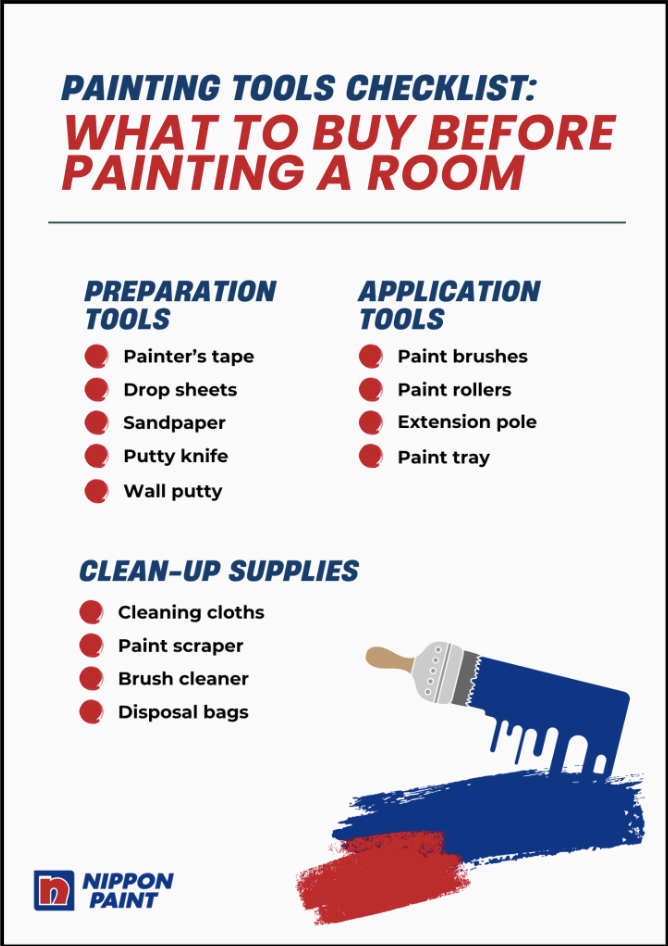
A flawless paint finish starts long before the first coat goes on. By selecting the right combination of brushes, rollers, and accessories, you can achieve better coverage, greater efficiency, and more professional-looking results.
If you’re unsure which tools are best suited for your project, Nippon Paint offers a comprehensive range of painting tools and accessories to help you get started. For a hassle-free experience and expert workmanship, you can also engage Nippon Paint’s professional painting services to bring your vision to life.
FAQs About Painting Tools
What are the common mistakes when choosing painting tools?
One of the most common mistakes is choosing tools based solely on price rather than suitability. Homeowners may also use the wrong brush or roller for their paint type, select a roller nap that is unsuitable for the surface, or overlook essential preparation tools such as painter’s tape, sandpaper, and drop sheets. These mistakes can lead to uneven coverage, paint wastage, and a less professional-looking finish.
How many times can you reuse a paint roller?
A paint roller can typically be reused multiple times if it is cleaned properly after each use. The exact lifespan depends on the quality of the roller, the type of paint used, and how well it is maintained. High-quality rollers can often last through several painting projects before needing replacement.
What can I use instead of a paint roller tray?
If you don’t have a paint roller tray, you can use a clean, shallow plastic container or bucket with a roller grid. However, paint trays are specifically designed to distribute paint evenly across the roller, making them the preferred option for most painting projects.
Can I use the same brush for different types of paint?
It is generally not recommended. Brushes used for oil-based paints can retain residue that may affect the application of water-based paints, and vice versa. For best results, use separate brushes for different paint types or clean them thoroughly before switching.
How do I prevent paint splatters when painting?
To minimise paint splatters, avoid overloading your brush or roller with paint and use tools that are appropriate for the surface you’re painting. Applying steady pressure and working at a controlled pace can also help. Don’t forget to use drop sheets and painter’s tape to protect surrounding surfaces.
Do I need to sand walls before painting?
Not always. However, sanding is recommended if the wall has rough patches, peeling paint, glossy finishes, or minor imperfections. Proper surface preparation helps improve paint adhesion and creates a smoother, more even finish.
Which paint brushes do professionals use?
Professional painters typically use high-quality brushes that offer good paint pickup, smooth application, and durability. The choice of brush depends on the paint type and surface, but many professionals prefer premium synthetic or blended bristle brushes for their versatility and consistent performance.
How do painters get a straight edge?
Painters often use a combination of painter’s tape and angled brushes to create clean, straight lines. Proper surface preparation and careful cutting-in techniques can also help achieve professional-looking edges without paint bleeding.
Do paint scrapers work?
Yes, paint scrapers are highly effective for removing loose, peeling, or flaking paint before repainting. They are commonly used during surface preparation to create a smoother base for new paint, helping to improve adhesion and the overall finish.
Why Choose Low VOC Paint | Nippon Paint Singapore